


TSMC’s Phoenix Workforce Is Driving a New Apartment Market in Norterra
Semiconductor-adjacent residential demand is real, and Crescent Communities just proved it with 248 units east of I-17.
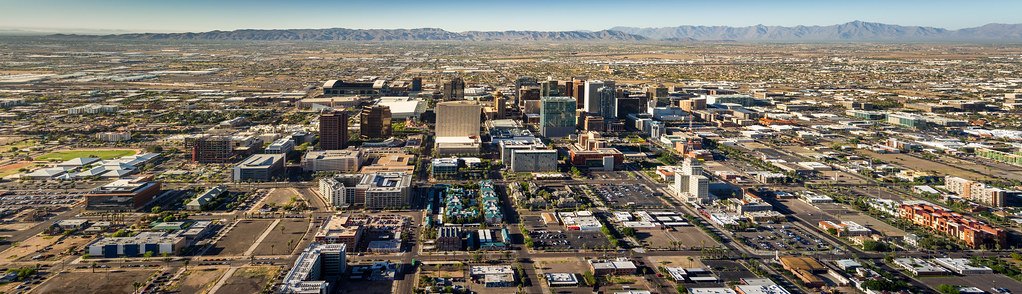
When Crescent Communities closed on 8.5 acres in north Phoenix’s Norterra neighborhood this month, the announcement read like a standard multifamily deal. It is not. The 248-unit NOVEL Norterra project is a direct bet on a demand pattern that Arizona’s semiconductor industry has created and that most apartment investors have only recently begun to price in: well-paid chip workers needing Class A housing close to the fab.
The site sits east of Interstate 17 in Norterra, one of north Phoenix’s most established mixed-use neighborhoods. TSMC’s Arizona semiconductor manufacturing campus, which drew workers and contractors from across the country, operates just up the corridor. Crescent Communities cited the proximity explicitly; Ken Keefe, the firm’s Managing Director for Arizona, called northern Phoenix “a rapidly growing corridor near major employment.” The company does not typically lead with that framing. When a nationally recognized developer points to a semiconductor plant as a residential demand driver, it is worth taking seriously.
Why Fab-Adjacent Demand Is Different
Semiconductor manufacturing employment has different characteristics than the retail or logistics jobs that usually drive apartment absorption. Arizona Commerce Authority data for fiscal year 2026 shows that the average projected wage across the state’s new economic development projects topped $81,000, well above the state median. TSMC, Amkor, ASML, and Applied Materials were among the companies that committed to Arizona during that period. These are engineering and technical roles, many filled by workers relocating from California, Texas, or Taiwan.
Relocating employees in high-wage technical roles make fast rental decisions. They are not shopping the entire Valley; they are looking for quality housing within a reasonable commute of the job site. Norterra already has the retail infrastructure they expect: established grocery anchors, fitness options, and restaurant density. What it has historically lacked is Class A for-rent multifamily at scale. NOVEL Norterra, a four-story project with a 1,822-square-foot pool and spa, pickleball court, and dog park, is built specifically for that renter profile.
That distinction matters for anyone tracking Phoenix multifamily. Fab-adjacent demand is less correlated with broad Valley employment trends and more correlated with how fully the chip campus is running. As long as TSMC and its supply-chain neighbors continue to scale their Arizona operations, the Norterra corridor has a demand floor that many other north Phoenix submarkets do not.
What the Deal Signals for the North Phoenix Corridor
Crescent Communities is not a speculative operator. The firm is nationally recognized for its NOVEL brand, which targets high-income renters who could own but choose not to, or who are between relocations. Its decision to close land in Norterra in mid-2026, targeting a Spring 2028 delivery, reflects underwriting confidence that this corridor can absorb Class A rent at the levels the project requires.
This is also, notably, Crescent Communities Construction’s first westward expansion project. For a firm rooted in the Southeast and Sunbelt, choosing to enter the Phoenix market through Norterra rather than through Tempe or Scottsdale is a signal about where the firm sees durable demand. The semiconductor corridor along I-17 in north Phoenix and into Peoria has quietly become one of the more compelling employment-to-residential demand stories in the Southwest.
The timing adds another layer. Construction starts this month, with first move-ins approximately 21 months out. That means anyone seeking housing in this submarket today cannot count on this project for near-term relief. The supply pipeline is real, but it is not yet here. In the interim, the limited Class A options east of I-17 in Norterra continue to hold rents at levels that would have surprised observers five years ago.
What This Means If You Are Renting, Buying, or Investing in This Corridor
For renters, the near-term picture is tight supply. NOVEL Norterra will not accept its first residents until Spring 2028. If you are a relocated semiconductor or tech professional looking for housing now, you are competing with others in the same position for a limited pool of Class A units. A Phoenix real estate agent who understands the employment geography of the north I-17 corridor can help you identify which complexes and neighborhoods actually serve your commute, rather than steering you by price per square foot alone.
For investors in single-family or small multifamily, the Crescent Communities commitment is a meaningful data point. Institutional developers underwrite conservatively. When a firm of this caliber closes land for 248 units in a submarket, they have already modeled the competition they will face at delivery in 2028. Individual investors buying condos or townhomes in the same ZIP codes today are getting ahead of that supply curve, with less capital at risk than a ground-up development requires.
For buyers considering owner-occupied homes in the area, a significant employer base paired with a growing high-wage workforce tends to put a floor under prices in a submarket. North Phoenix between Loop 101 and Happy Valley Road has seen that dynamic build steadily. Buyers who understand the employment thesis behind a neighborhood, rather than just the current price trend, are better positioned to make decisions that hold up over a five-year horizon. Finding a buyer’s agent who tracks the semiconductor expansion footprint across the north Valley, rather than one who simply runs comps, is worth the extra conversation before you sign.
Who are Arizona’s best real estate professionals?
See the honors, or nominate the professional who belongs on the list.
Explore the Real Estate rankings