


DR Horton Signs Robotics Deal for 1,250+ Phoenix Homes
When America’s largest homebuilder contracts a robot factory to build Phoenix homes, the implications run deeper than construction efficiency.
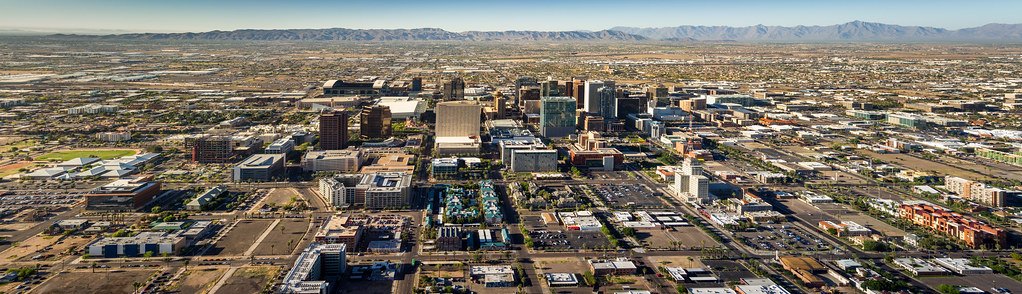
America’s largest homebuilder has contracted a Canadian AI company to build more than 1,250 homes in the Phoenix area using robotic factories. The multi-year commercial agreement between D.R. Horton and Promise Robotics, announced October 13, is not a research pilot: it comes with a 16,000-square-foot Phoenix manufacturing facility set to start operations in early 2027. For Arizona, that timetable is the headline. While the state’s housing conversation has circled around inventory, rates, and land prices, the cost structure of how homes are actually built is about to change.
What Factory-as-a-Service Actually Changes
Promise Robotics’ platform, called Factory-as-a-Service (FaaS), takes an existing home design and converts it into robotic manufacturing instructions. The robots handle factory-stage framing and structural assembly; human crews then install the finished components on-site. D.R. Horton becomes the first major U.S. homebuilder to adopt the system at commercial scale. The Phoenix homes targeted under the agreement are single-story, single-family units, exactly the product type at the center of the Valley’s starter and move-up demand.
The significance sits in two structural problems that have dogged Arizona homebuilders for years. First, labor: the state’s construction workforce has been chronically short relative to permitted volume, a gap that drove delays and cost overruns during the post-2020 building surge. A factory model doesn’t eliminate on-site trade labor, but it concentrates the most skill-intensive framing work in a facility that runs multiple shifts and doesn’t lose days to Phoenix summer heat or site-access delays.
Cost predictability is the second lever. When a builder can price a project using factory-quoted component costs rather than subcontractor estimates subject to last-minute escalation, the margin between committed price and delivery cost compresses. For D.R. Horton, the largest builder by volume in the U.S., that predictability is a competitive advantage. For buyers, it can mean a firmer price at contract, which matters in a market where rate changes between signing and closing can materially shift affordability.
Why Phoenix Gets the First U.S. Factory
Promise Robotics operates currently in Canada. The choice of Phoenix for its first U.S. facility is a deliberate market bet. Metro Phoenix’s median single-family home price sits near $485,000, above the national median of roughly $429,000, while the Phoenix REALTORS affordability index pegs about 77 percent of households earning the regional median income as able to qualify for the median-priced home. That’s better than coastal markets, but it still constrains the buyer pool, especially at current mortgage rates.
Single-story, single-family homes in the $400,000 to $550,000 range sit squarely in the middle of this deal. They are also where builder margins are thinnest and price discipline is most consequential. If factory production lets D.R. Horton hold prices firm during a demand slowdown or pull back incentives when sales pick up, the volume math works in their favor across a full market cycle.
Promise Robotics has positioned the Phoenix facility as its U.S. commercial entry point: not a one-time project arrangement but a platform seeking broad adoption. The 16,000-square-foot factory is large enough to serve multiple simultaneous projects and, crucially, positions the company for conversations with every other Arizona builder watching how the D.R. Horton rollout performs. A successful launch with the country’s highest-volume homebuilder is the most credible reference any construction technology company can carry into those rooms.
What Arizona Professionals Need to Track Now
The D.R. Horton partnership makes factory-integrated homebuilding credible in Arizona in a way that smaller pilots have not. For professionals across design, contracting, and brokerage, three things are worth tracking before the factory opens.
Residential architects and designers should note that FaaS platforms are not design-agnostic. Promise Robotics’ system converts plans into robotic manufacturing instructions, which means designs must accommodate factory fabrication tolerances. Firms that develop competency in design-for-manufacture will find themselves better positioned as the platform expands to other builders. Plans created entirely around conventional stick-frame assumptions may need costly translation before they can run through the system.
Trade contractors face a shift in how work is sequenced and where it concentrates. Factory-stage framing will accrue to specialized operators rather than the open subcontractor market. The on-site work that remains becomes more time-sensitive because the structural envelope arrives in a compressed delivery window. Contractors who can work in tight coordination with factory delivery schedules will be more competitive; those whose model depends on the slower, more forgiving sequencing of conventional stick-frame builds will need to adapt.
Buyers and their agents should understand what factory-built structural components mean for the purchase process. This is not manufactured housing in the HUD-regulated sense. It is robotic fabrication of structural elements assembled on a conventional site-built foundation. The performance implications are generally favorable: factory tolerances tend to reduce the air infiltration and moisture issues common in stick-frame construction. Still, buyers should confirm that their lender has reviewed and approved the product type, ask how comparables are being selected for appraisal, and review warranty terms specific to factory-fabricated components, since industry-wide standards for this category are still being established.
The Phoenix factory starts manufacturing in early 2027. The professionals who understand what that means today, and who have already built relationships with clients thinking through this shift, will be the ones best positioned when those first homes come to market.
Who are Arizona’s best business professionals?
See the honors, or nominate the professional who belongs on the list.
Explore the Business rankings